Pressure is a Privilege
- subearclub
- Mar 18
- 2 min read

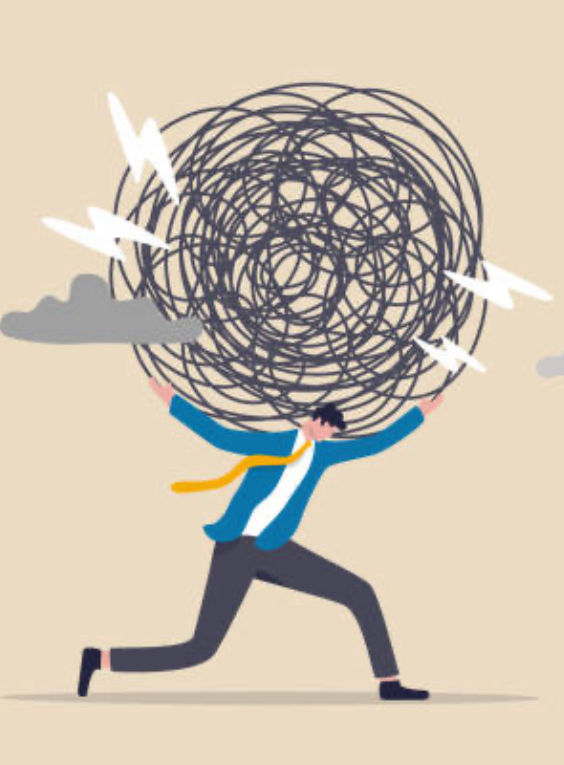
Pressure is a privilege. In today’s society, pressure is often treated like something negative, something to escape, complain about, or avoid entirely. People frequently say they are “too stressed,” “too overwhelmed,” or “under too much pressure.” While stress can certainly be difficult, many people fail to recognize that pressure is not simply a burden. In many ways, pressure is actually a privilege because it usually means that something important is at stake.
One of the biggest problems in modern culture is that people who constantly avoid pressure also tend to avoid failure. Failure has become something people fear so deeply that they try to eliminate any situation where it might happen. However, pressure plays an important role in learning through failure. Research from Stanford psychologist Carol Dweck on the concept of the “growth mindset” shows that individuals who view challenges and setbacks as opportunities to learn are more likely to improve their skills over time. When people are protected from failure or discouraged from taking risks, they miss valuable opportunities to build resilience and develop perseverance. Athletes, entrepreneurs, and scientists frequently experience failure before achieving success, and the pressure surrounding their goals often pushes them to improve.
One of the clearest examples of pressure being a privilege can be seen in the early career of LeBron James. Before graduating from St. Vincent–St. Mary High School in Akron, Ohio, he was already one of the most talked-about young athletes in the country. Media attention exploded when Sports Illustrated featured him on its cover and labeled him “The Chosen One,” creating enormous expectations before he had even played professionally. When he entered the 2003 NBA Draft and was selected first overall by the Cleveland Cavaliers, the pressure only increased. Fans expected an 18-year-old to immediately change the future of the franchise and become the next great superstar. Instead of collapsing under those expectations, James embraced the pressure and used it as motivation. He delivered an outstanding rookie season, winning the NBA Rookie of the Year Award, and went on to build one of the greatest careers in basketball history. His story demonstrates that pressure often exists because others recognize someone’s potential.
This does not mean pressure should become unhealthy or overwhelming. Balance, support systems, and mental health are extremely important. However, eliminating pressure entirely is not the solution. Instead, society should teach people how to manage pressure, learn from failure, and grow stronger through challenges. Ultimately, pressure should not be viewed as something to escape but as something to value. It signals opportunity, responsibility, and the chance to achieve something meaningful. In a culture that increasingly avoids discomfort, remembering that pressure is a privilege may be the key to building stronger, more resilient individuals.



Comments